
What Can't We Know About AI? | Knowing the Mind You're Working With | The Infinity Machine | and more...
Artificiality Summit 2026: What Can't We Know About AI? In the first of a series about our speakers
Artificiality Summit 2026: What Can't We Know About AI? In the first of a series about our speakers
The theme of the Artificiality Summit 2026 is Unknowing. We start with five speakers—David Wolpert, Caleb Scharf, Wakanyi Macharia-Hoffman, Gašper Beguš, and Nina Beguš—whose work converges on a single finding: the uncertainty surrounding AI is permanent, not a phase.
AI builds its model of you from what you type. But only the people who've watched you live can see what you hide from yourself.


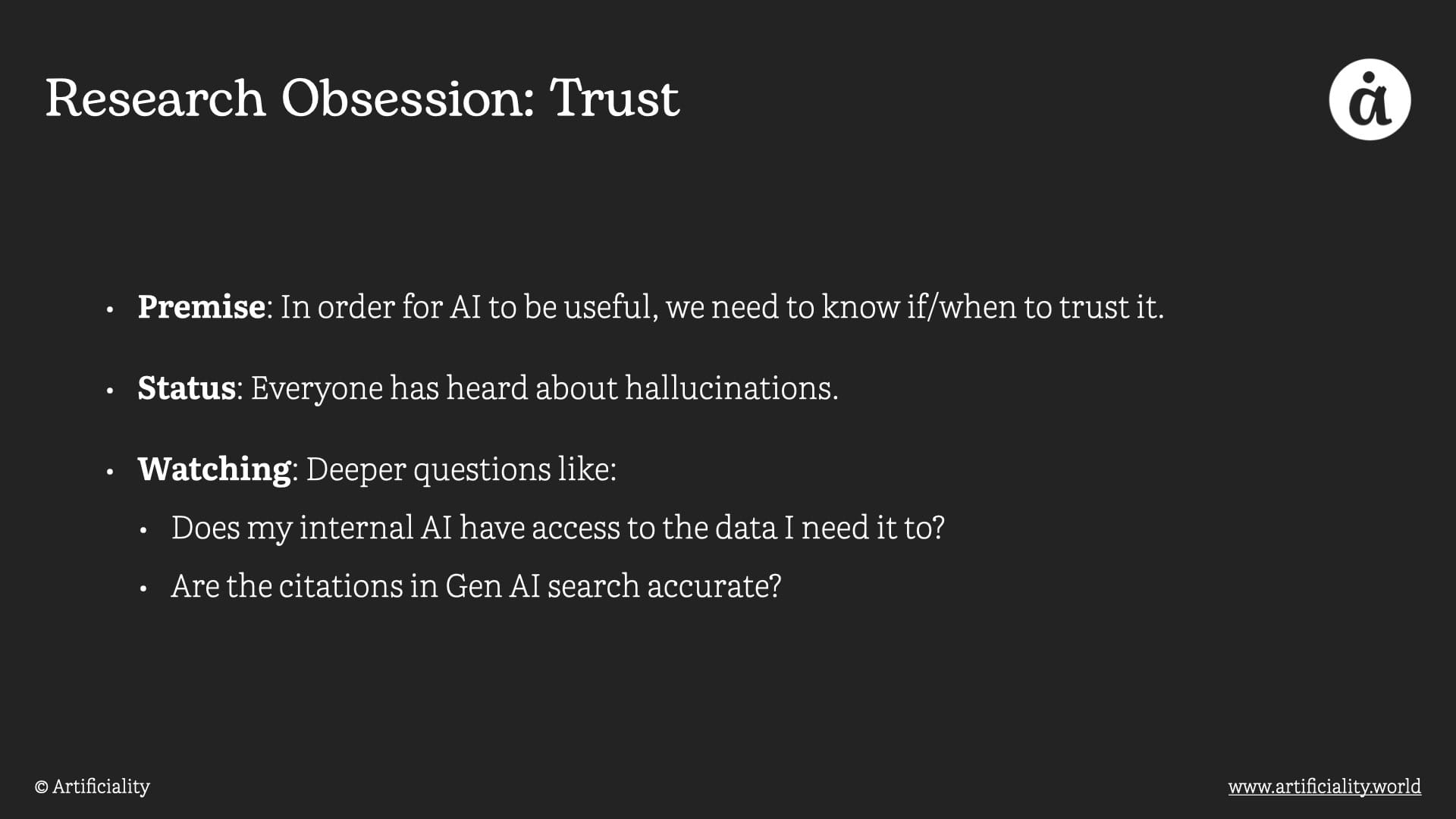
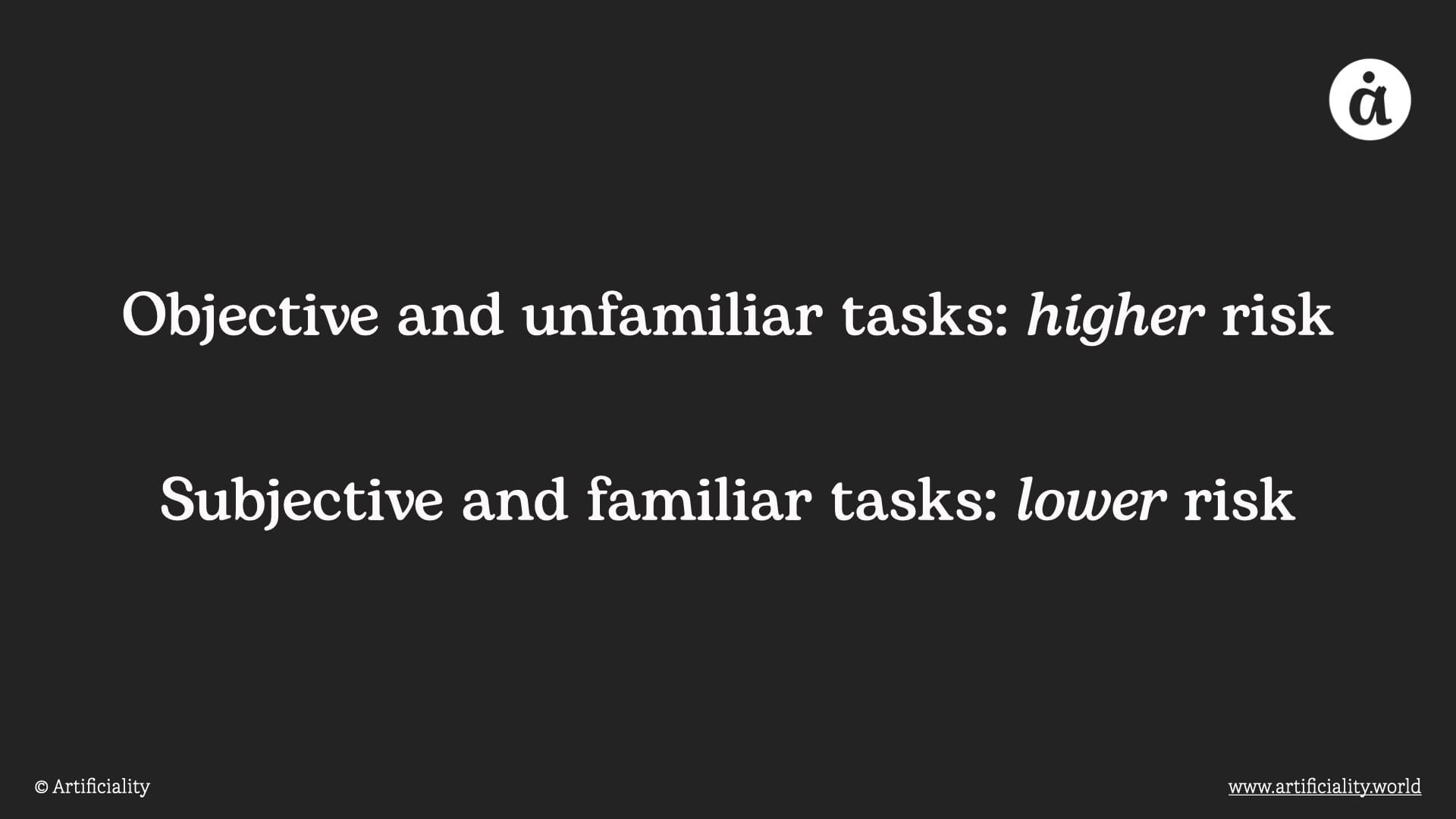
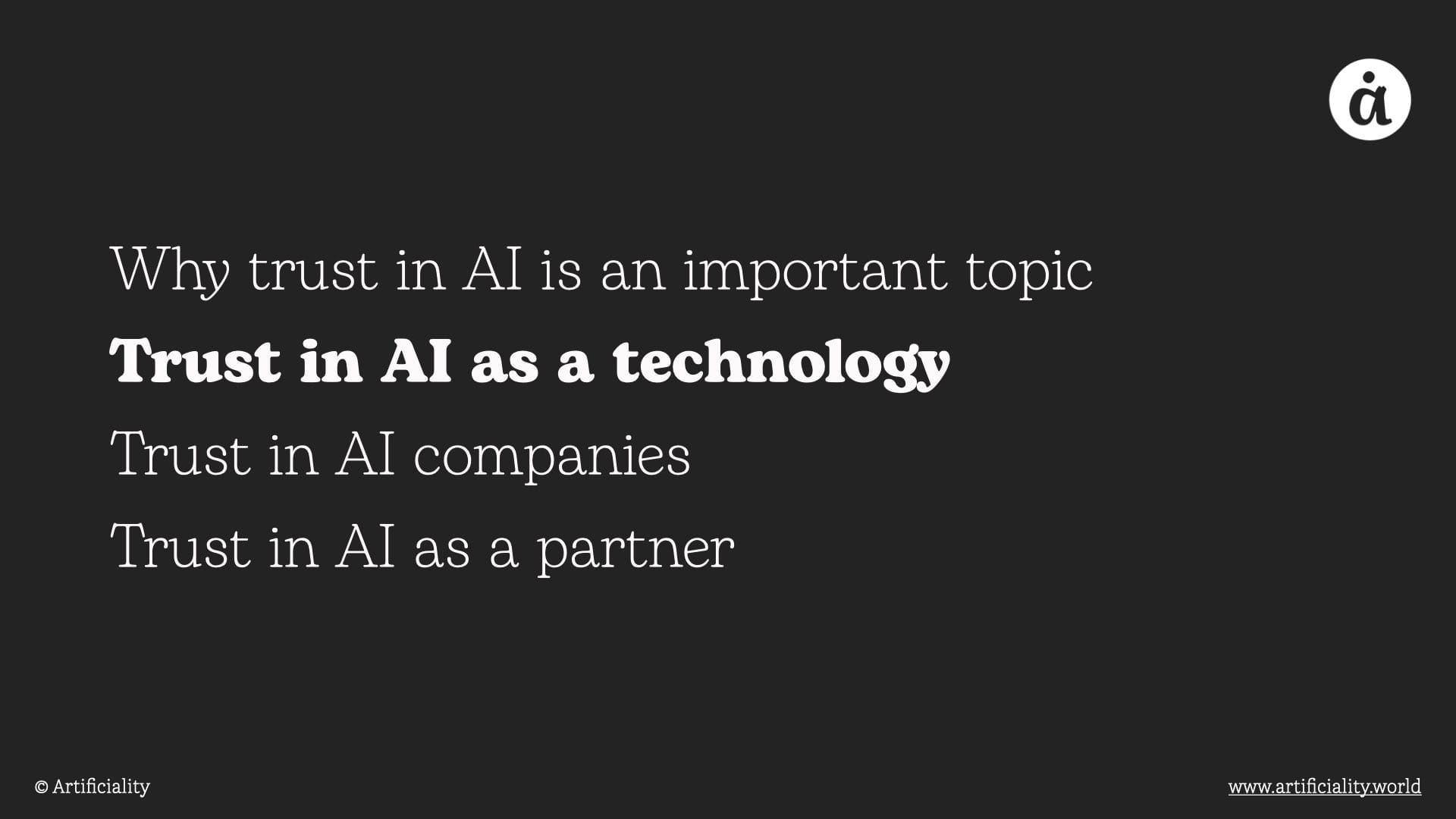
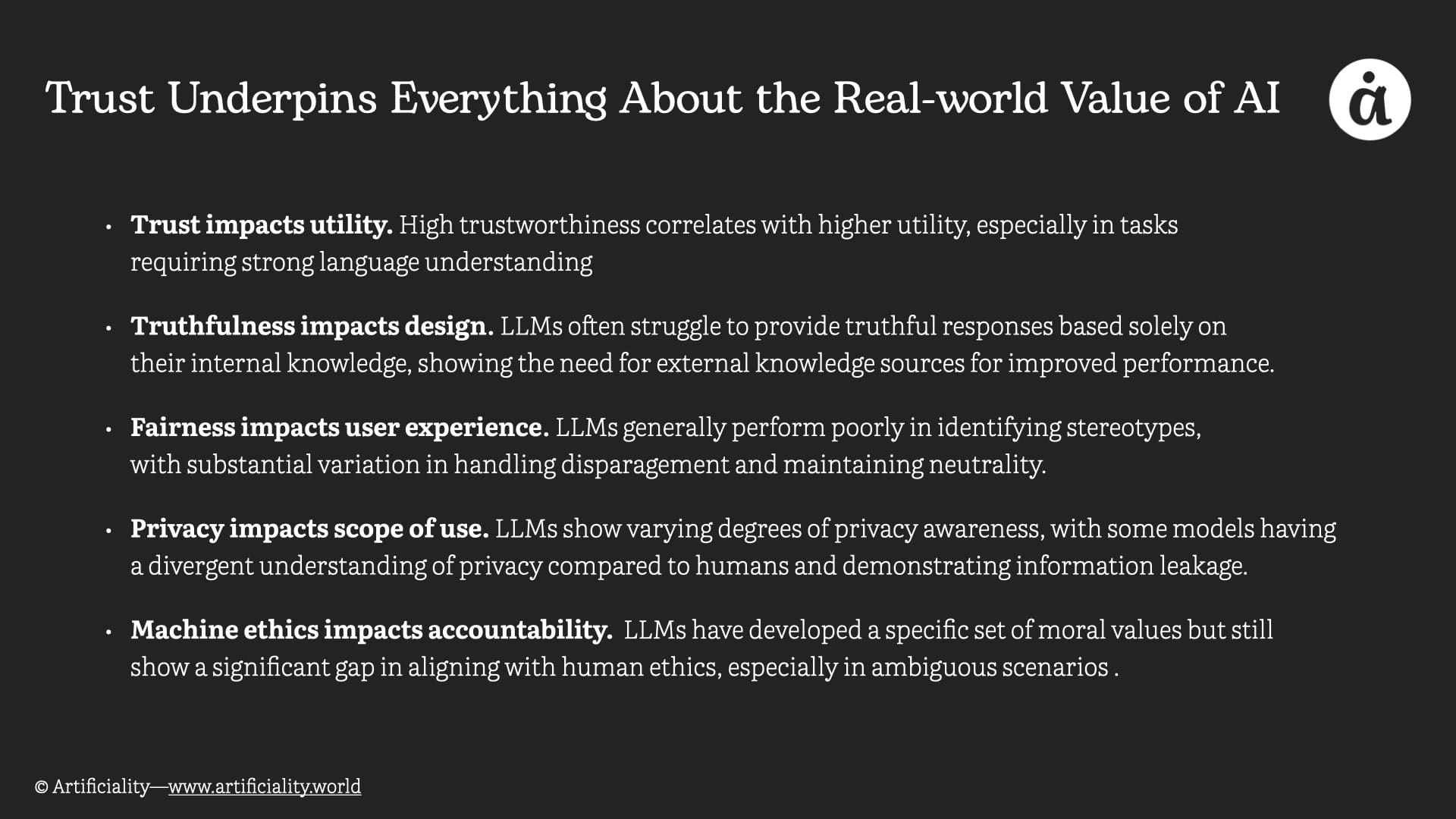
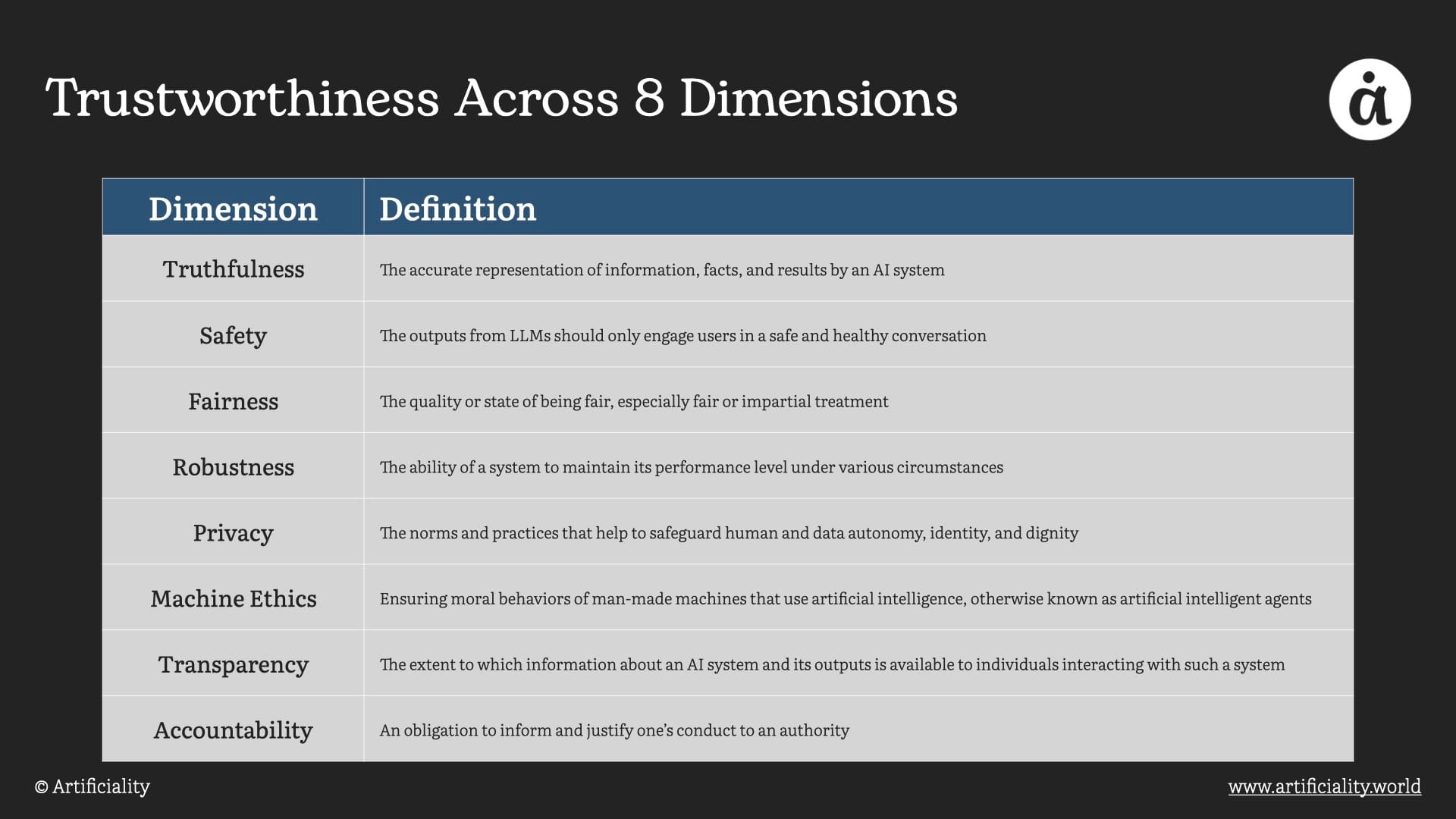
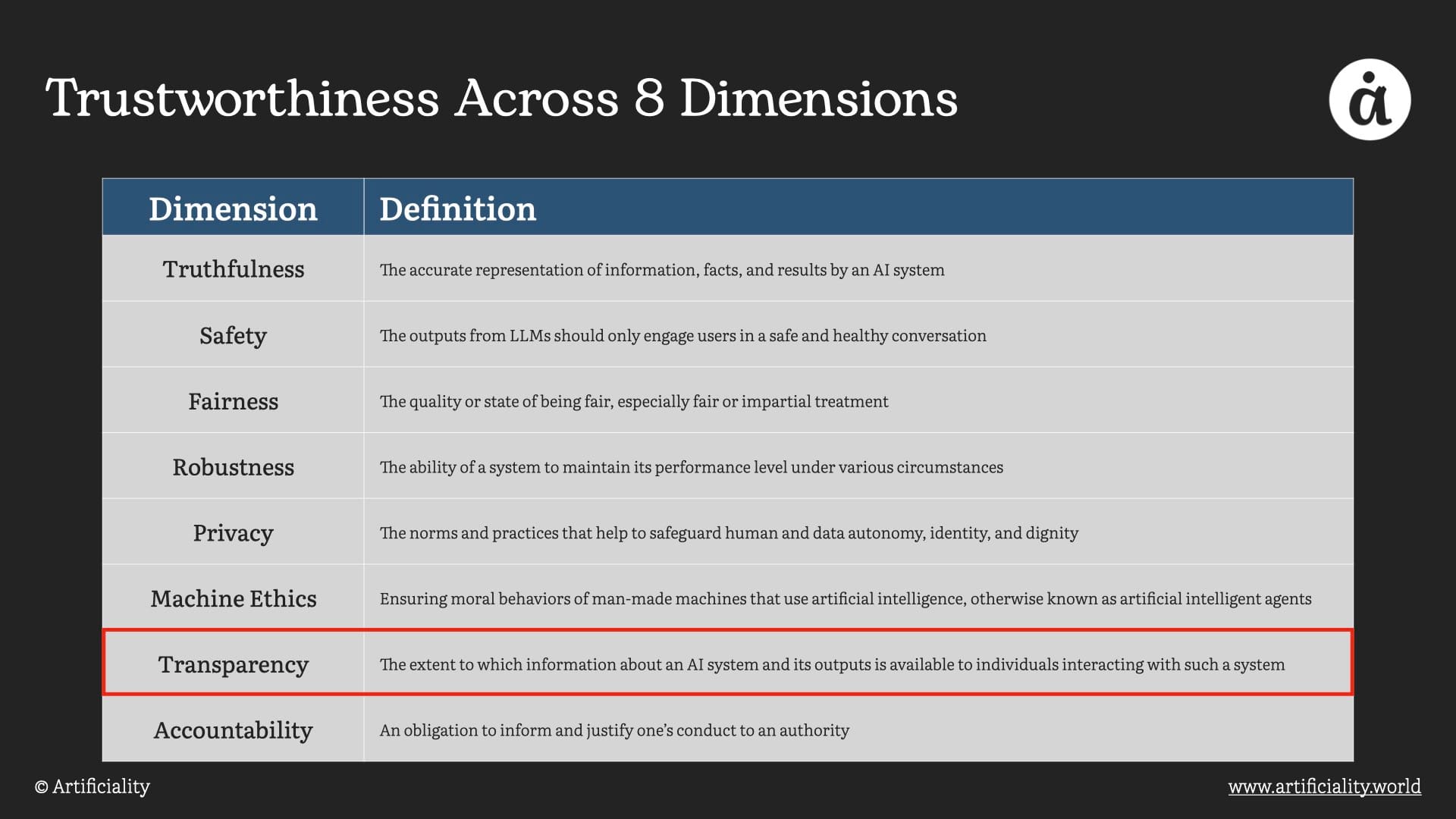
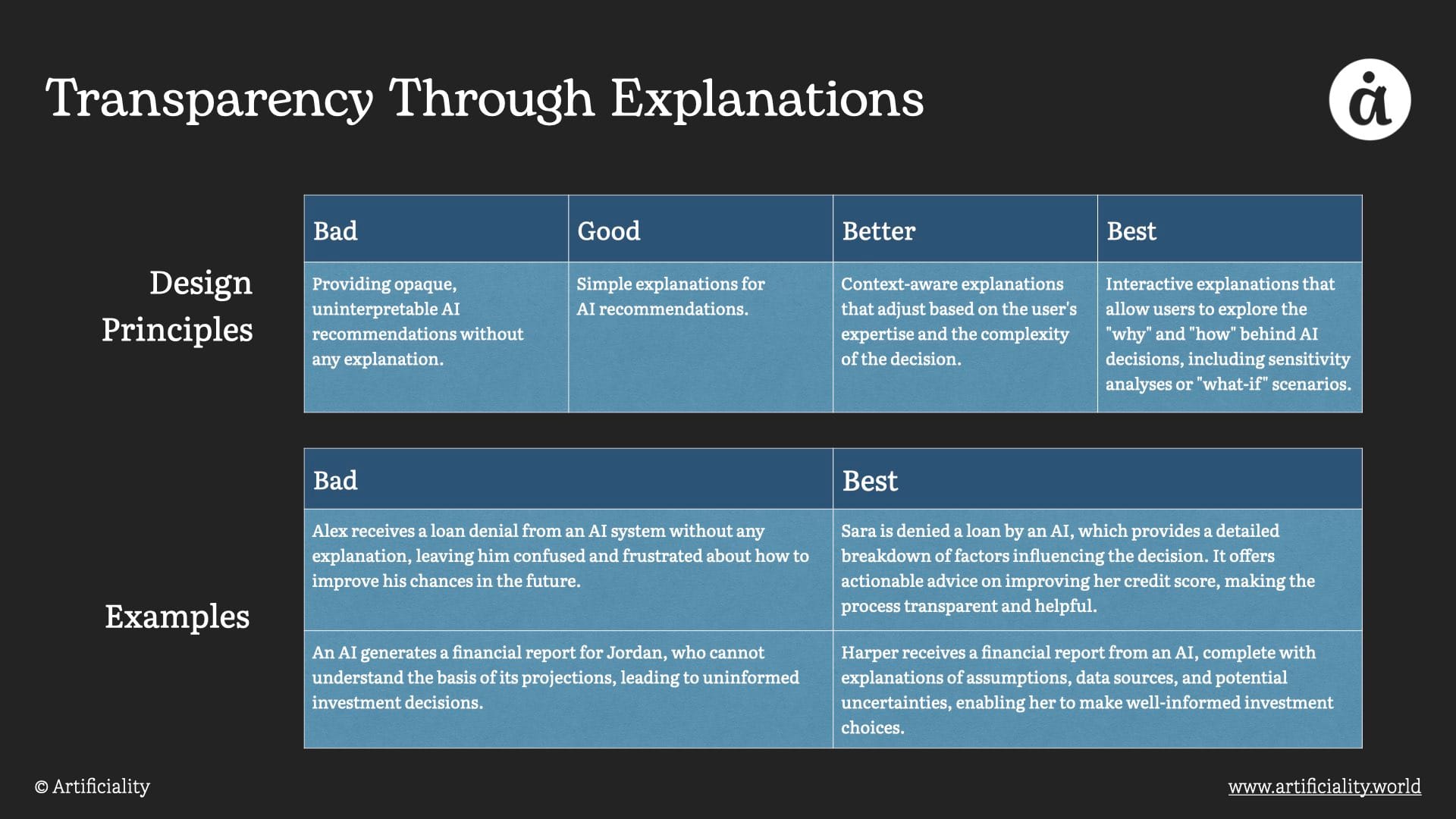
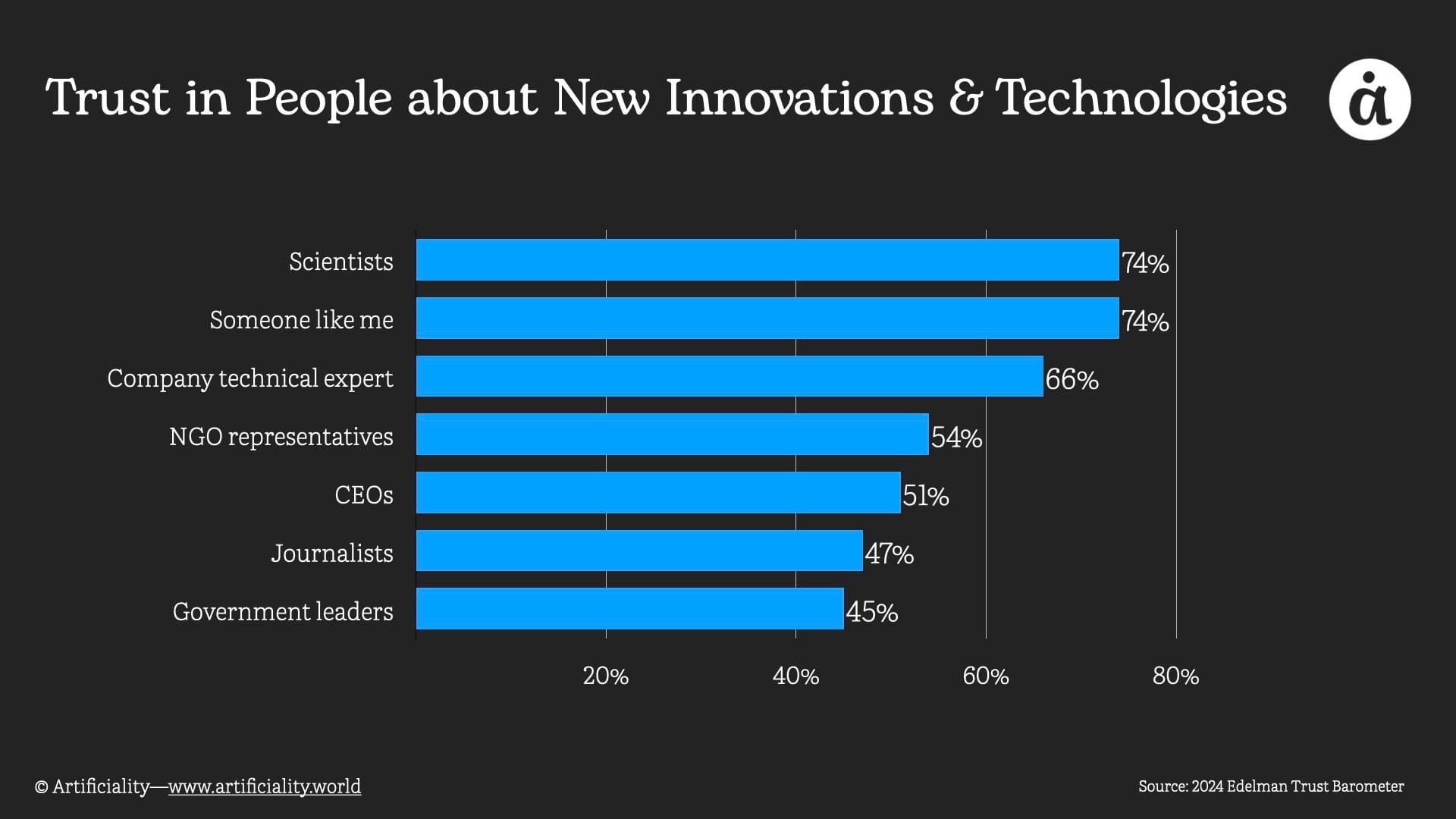
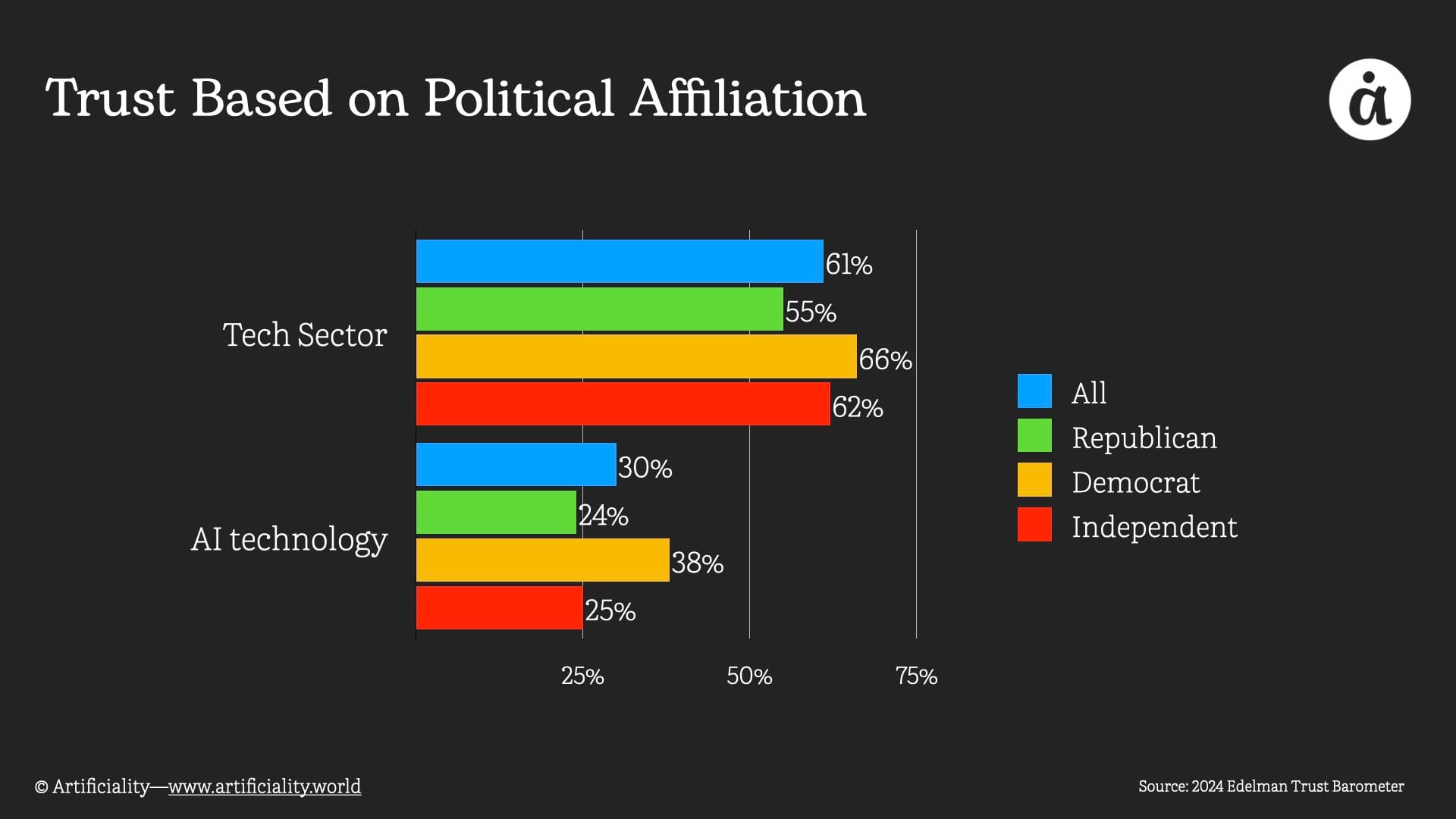
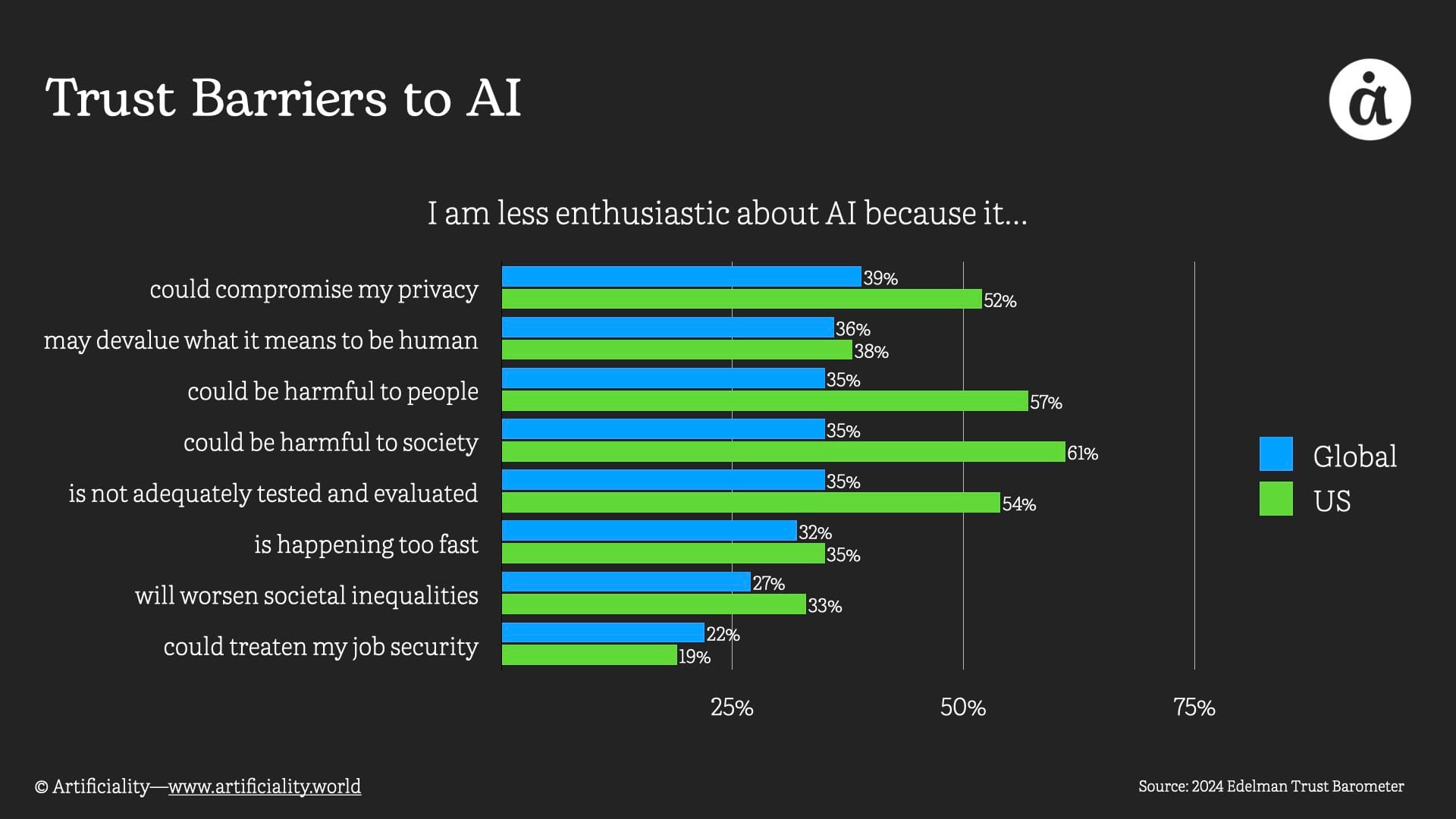
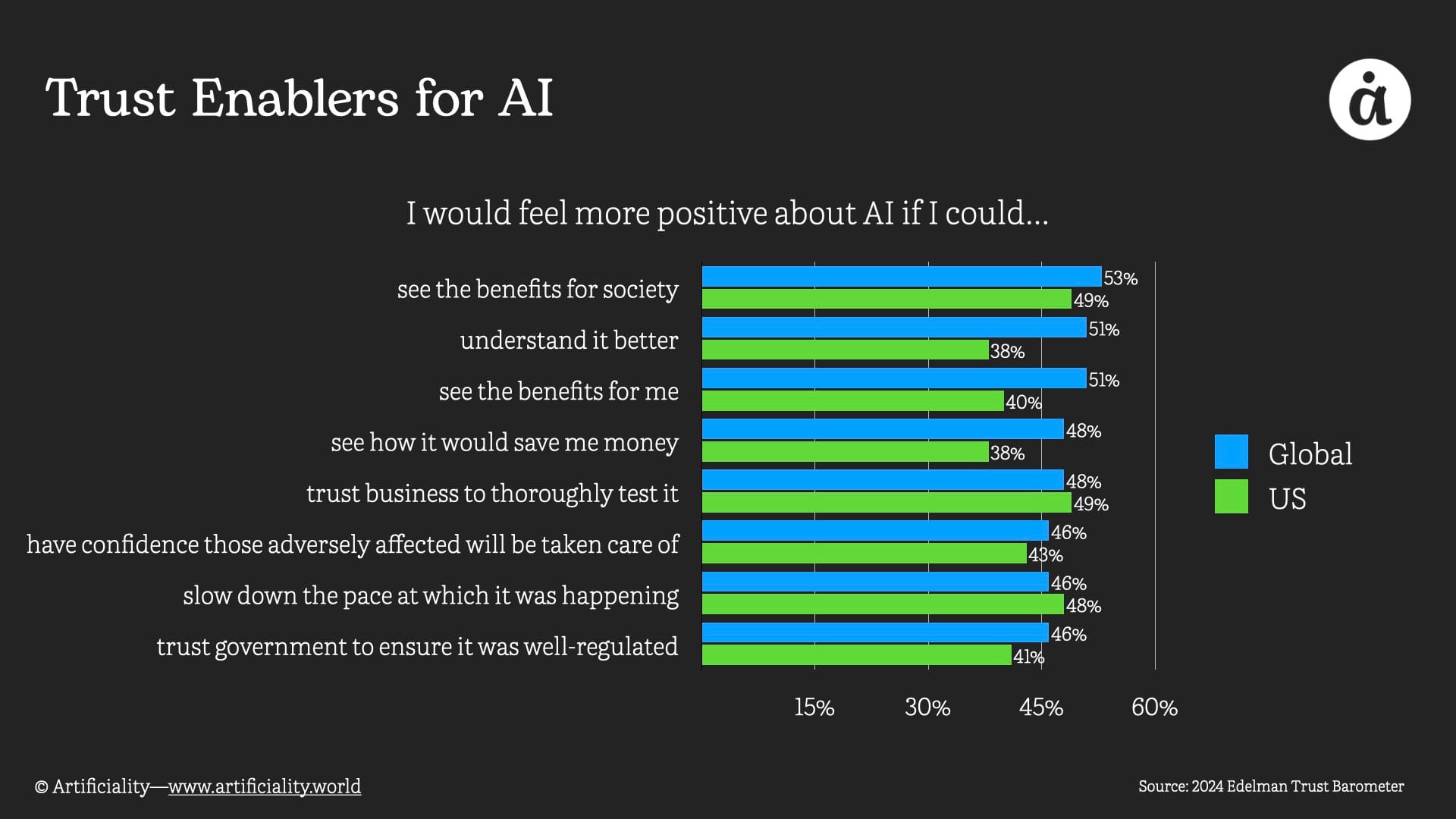
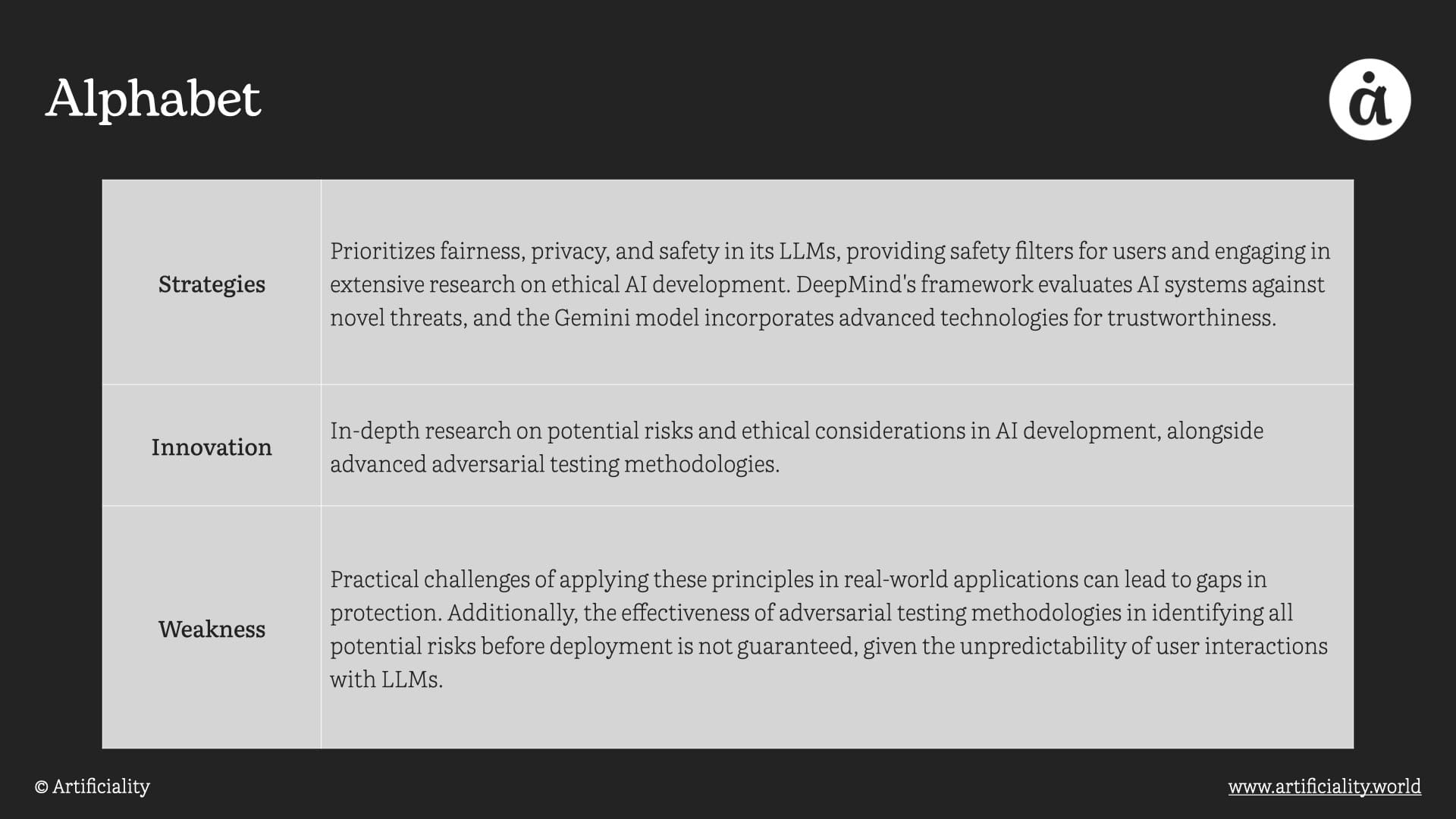
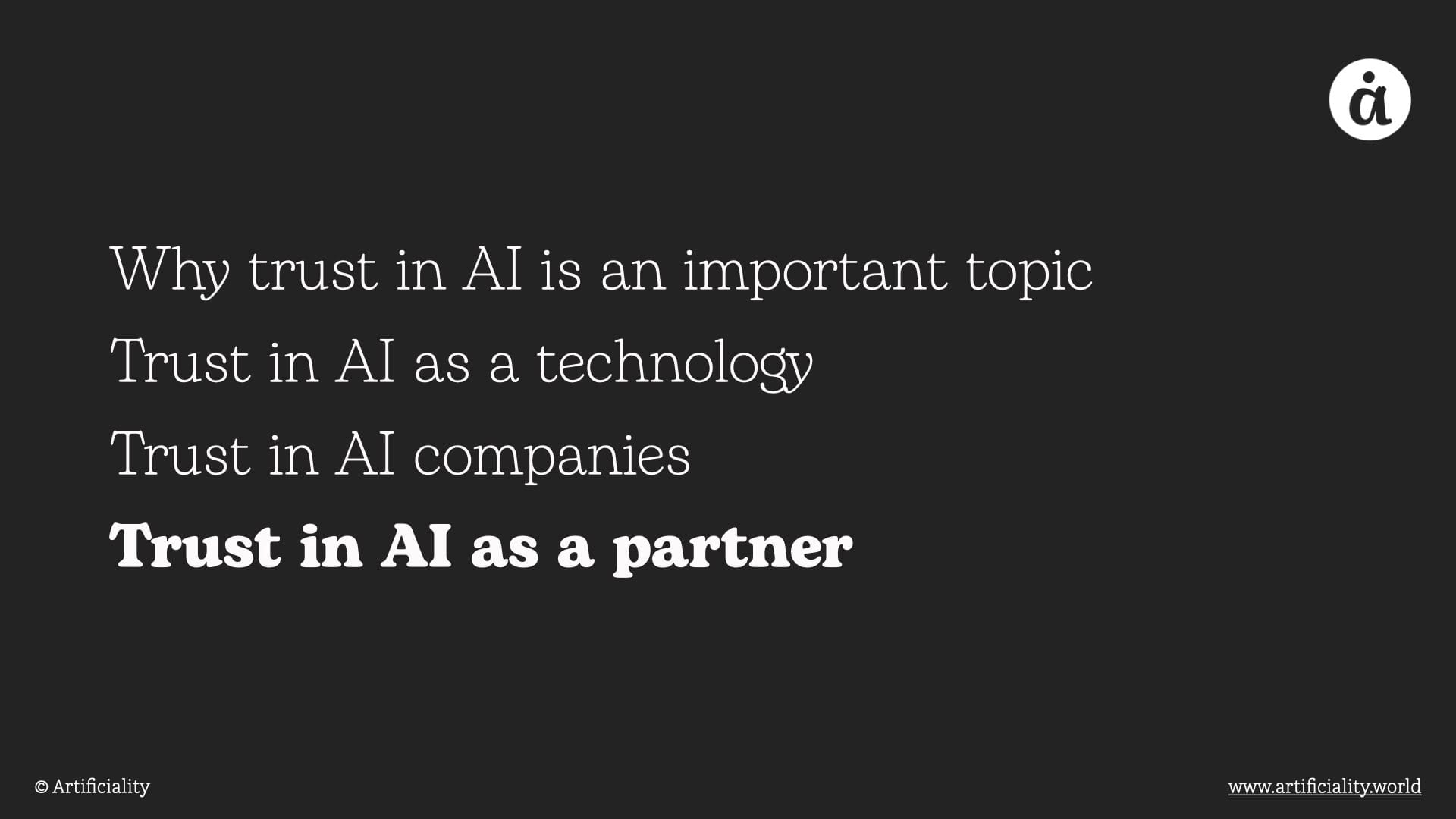
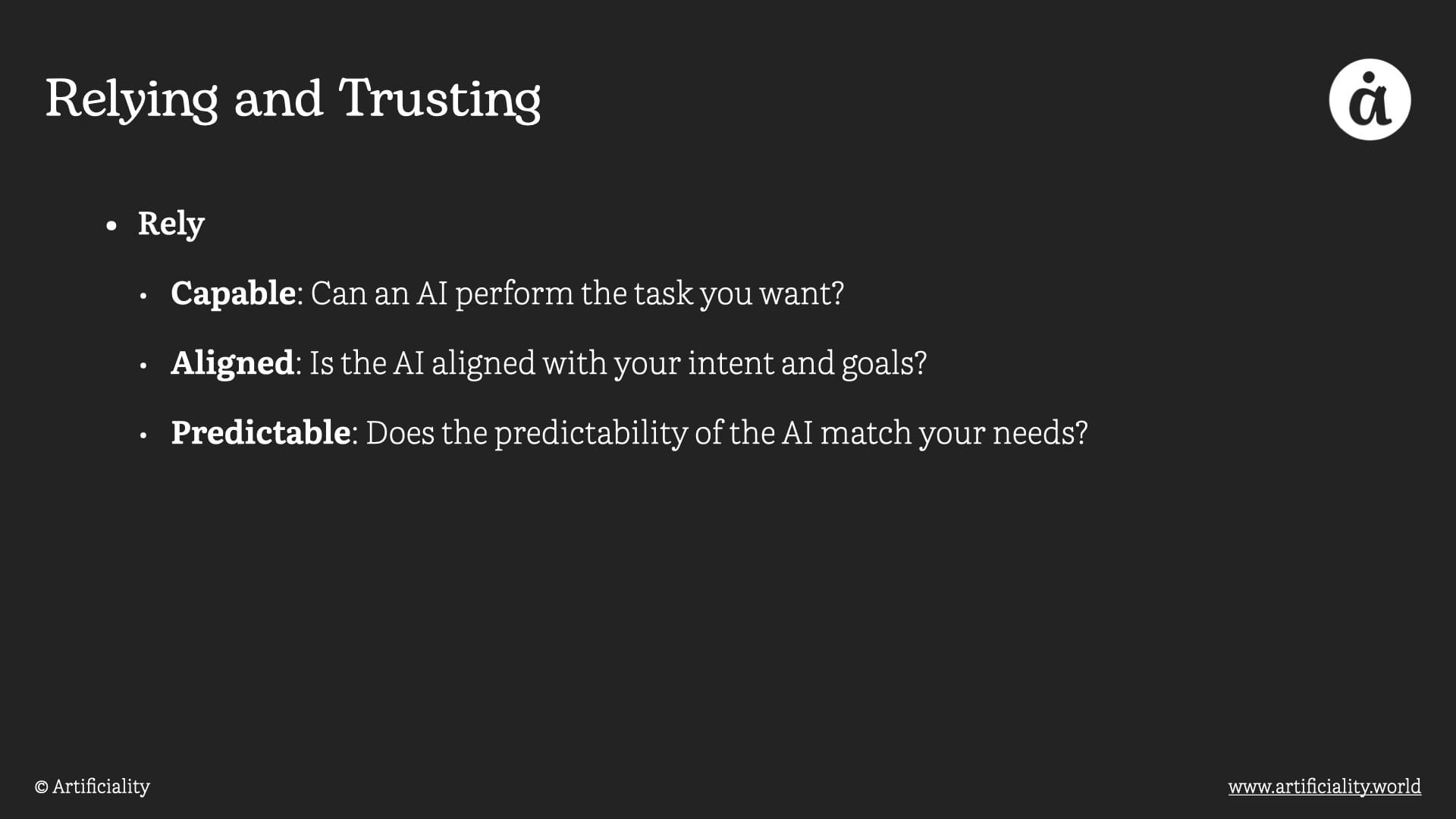
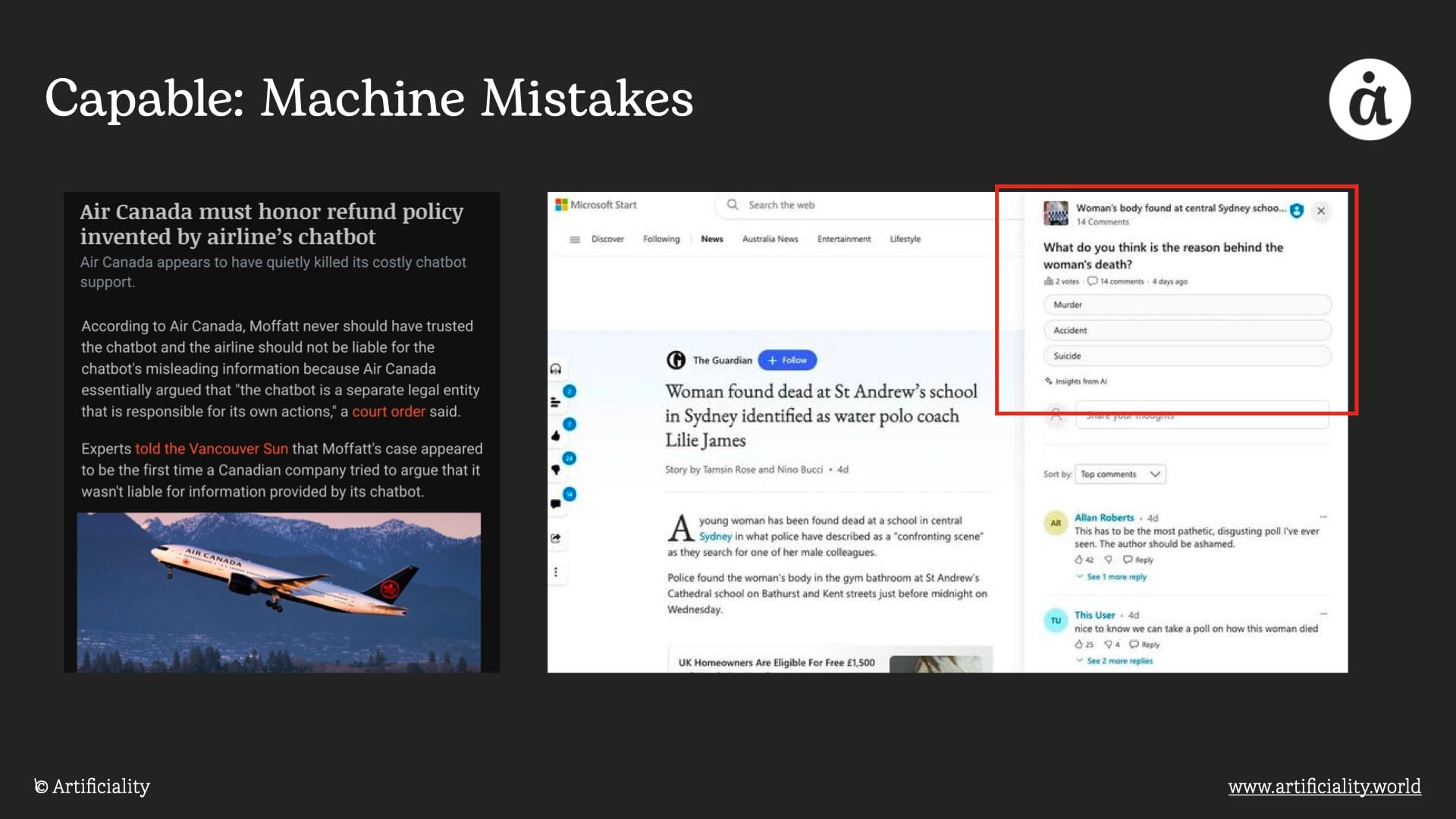
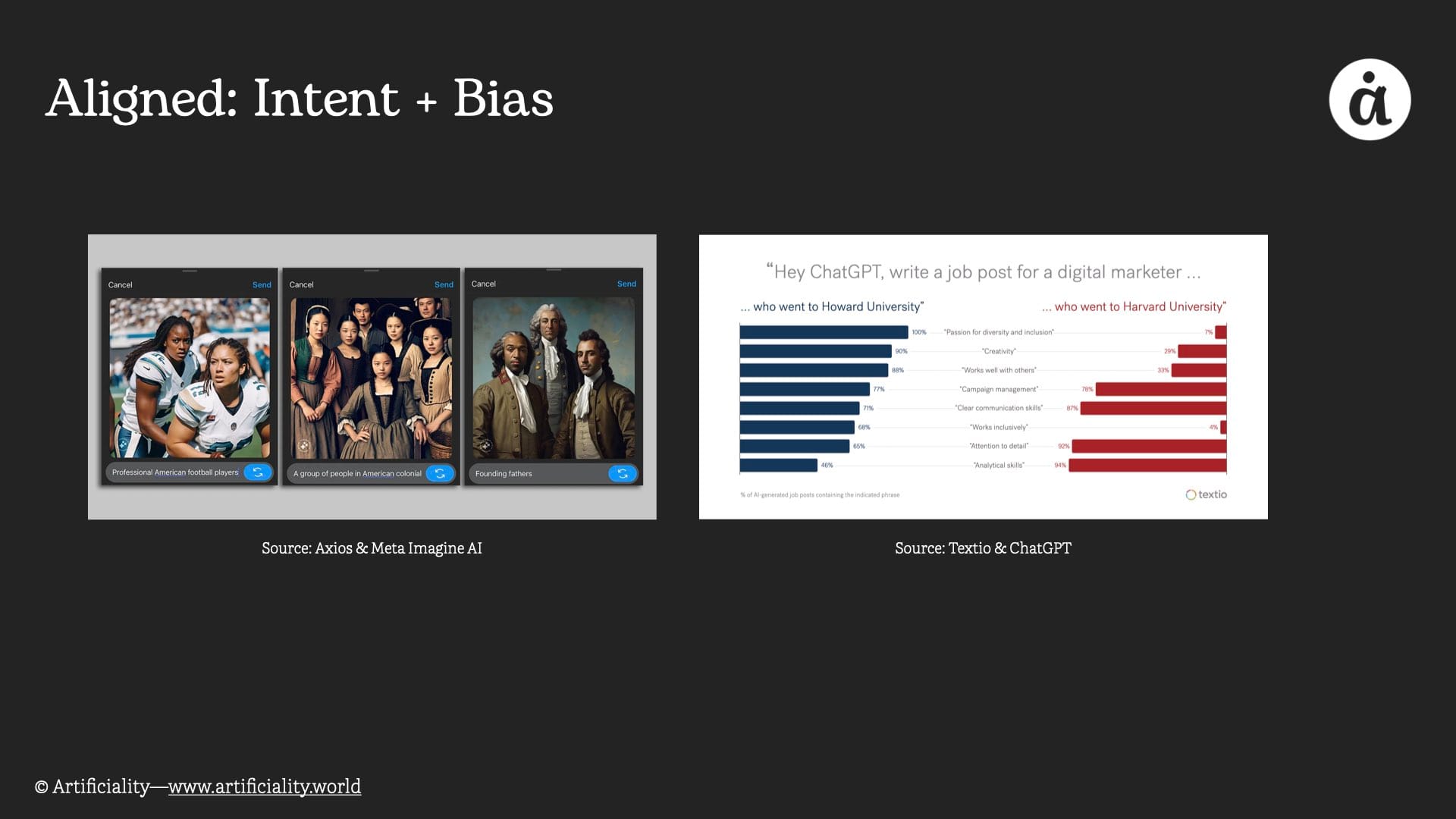
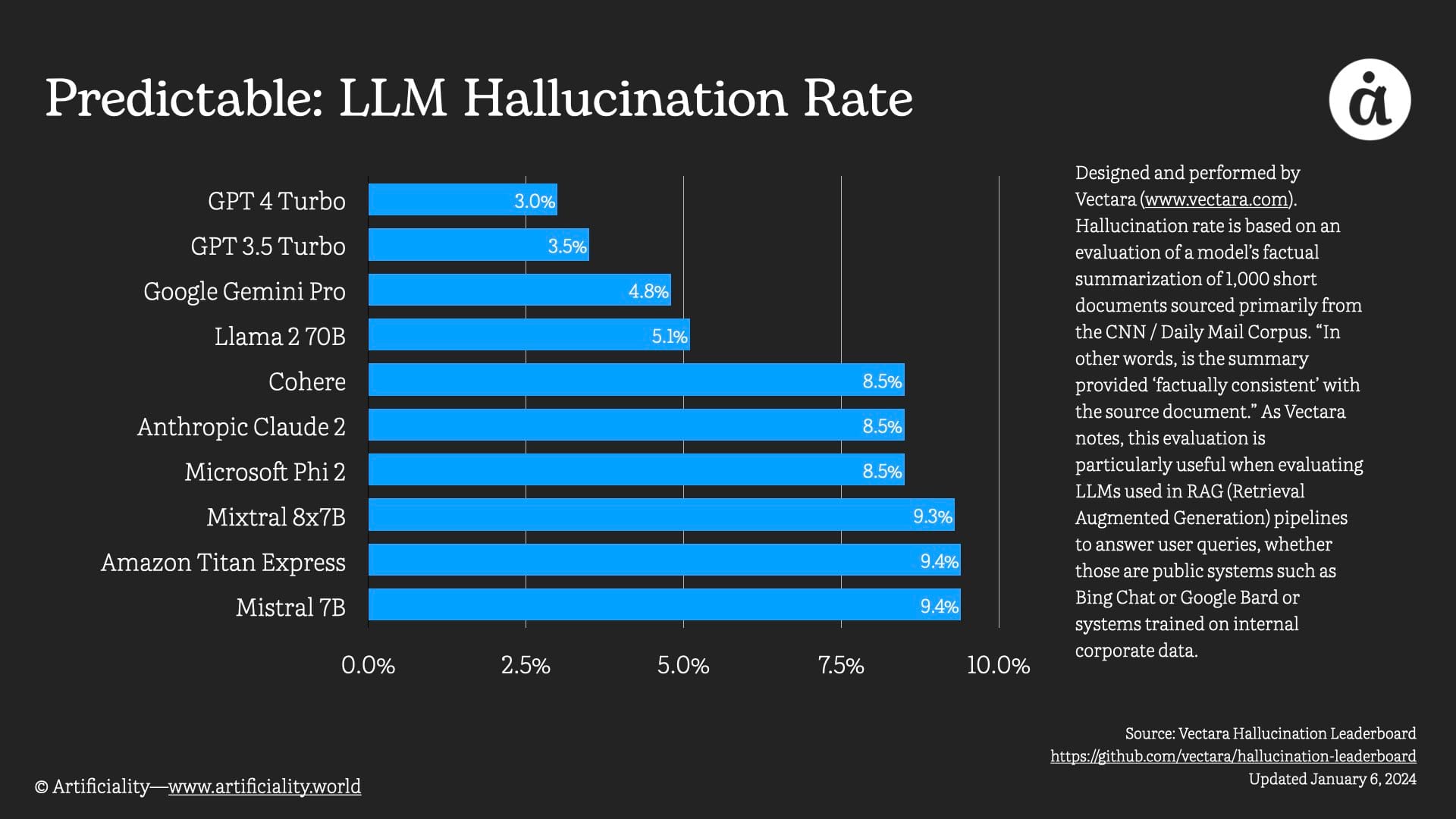
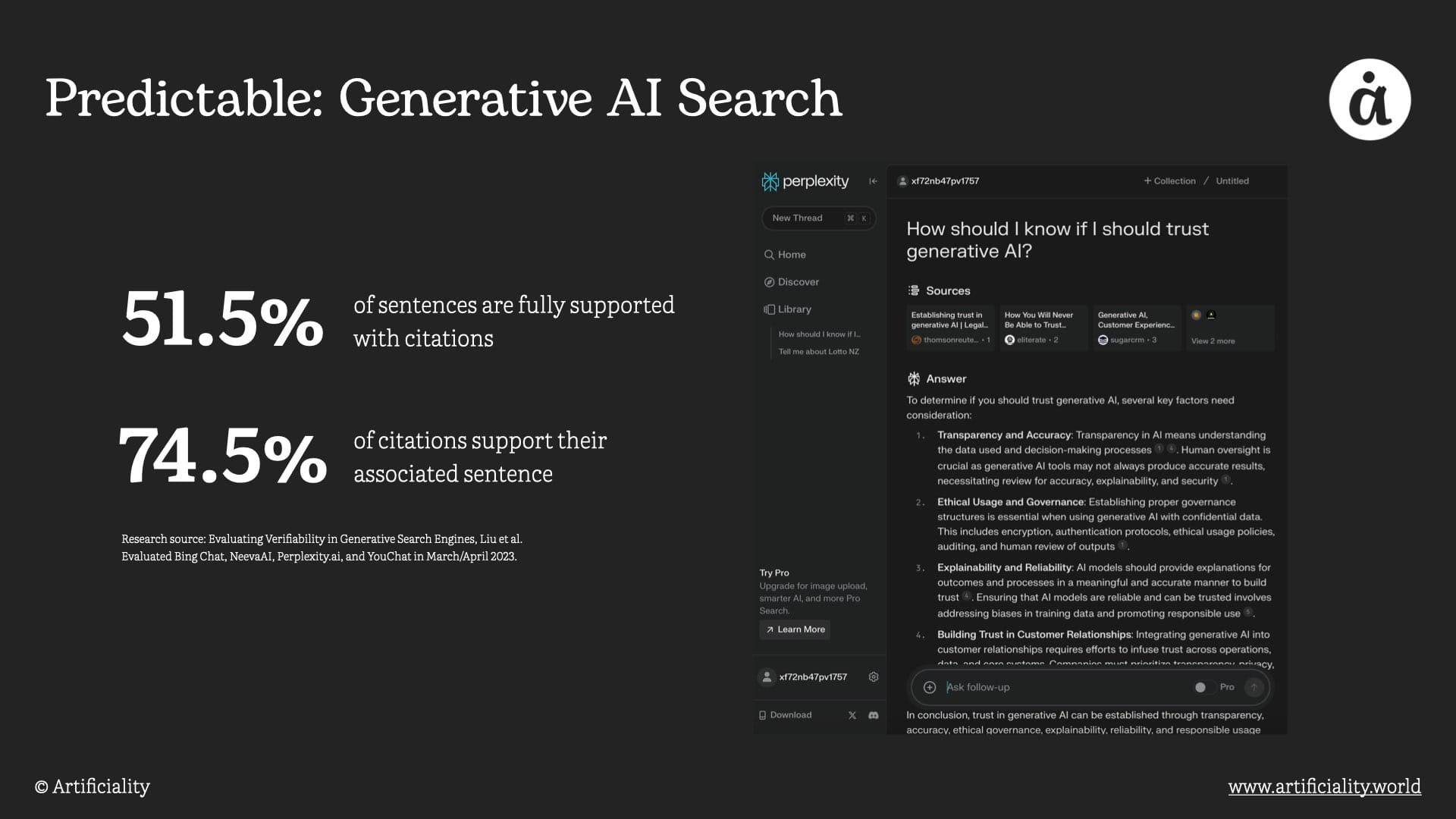
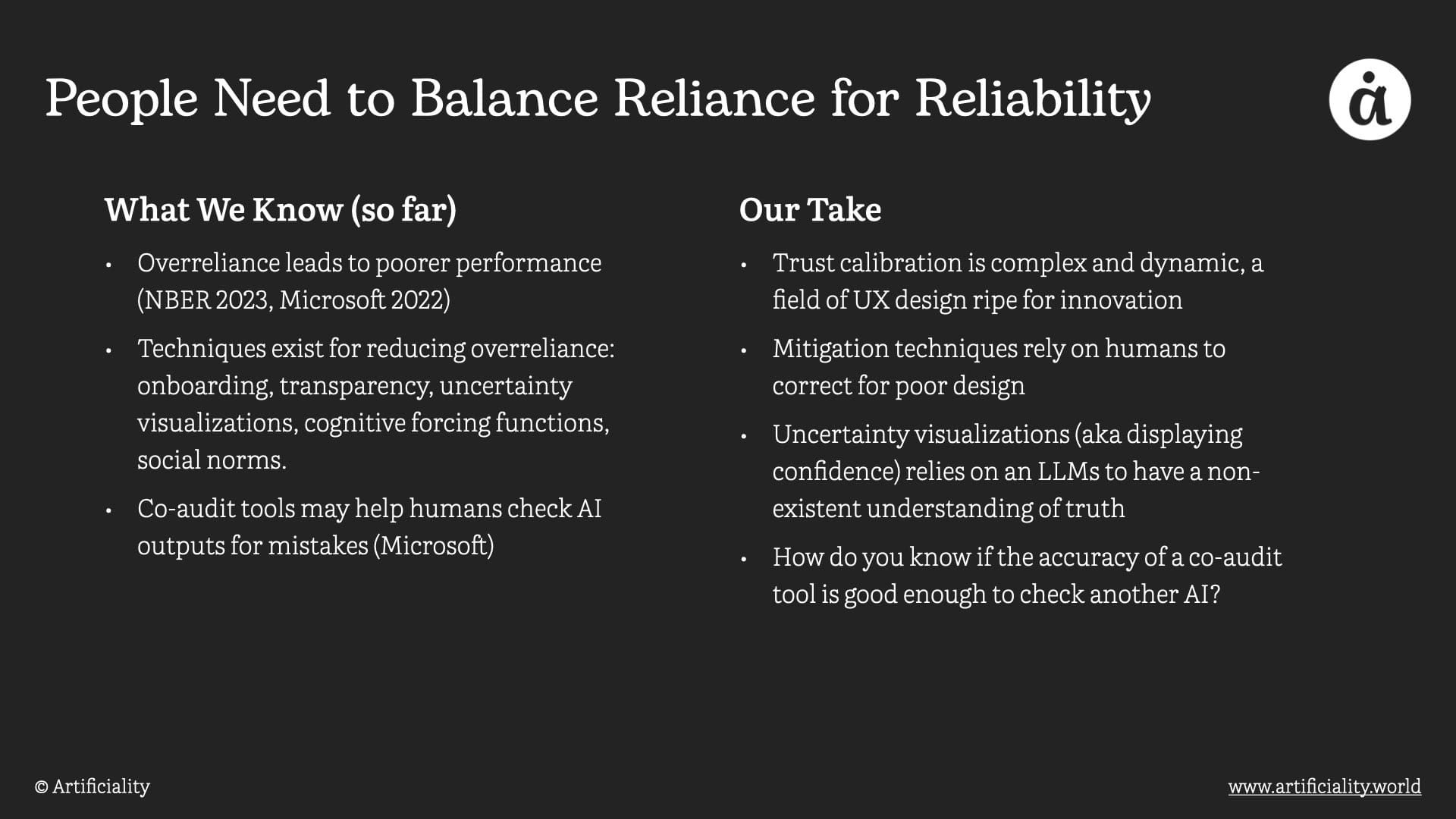
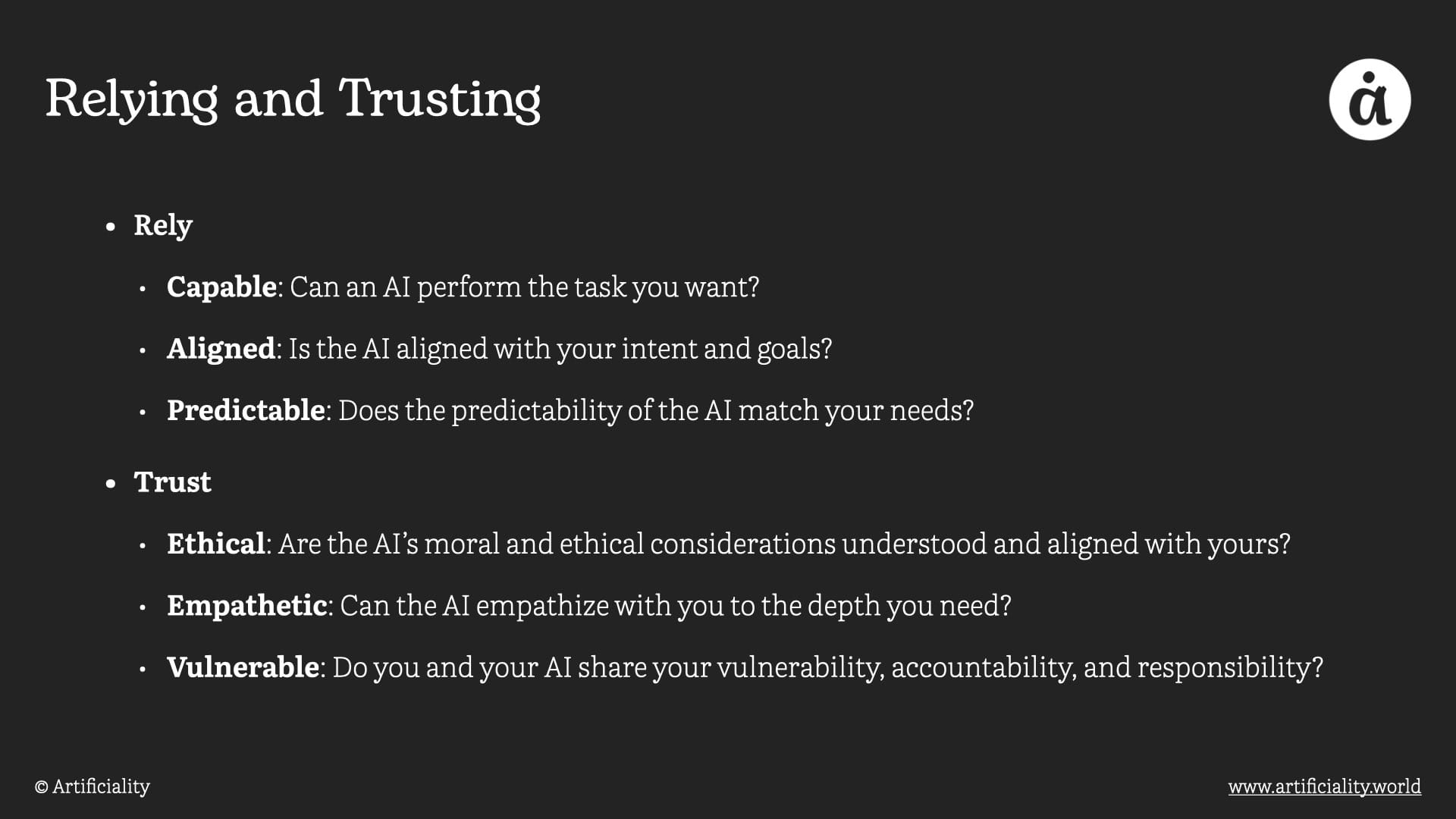
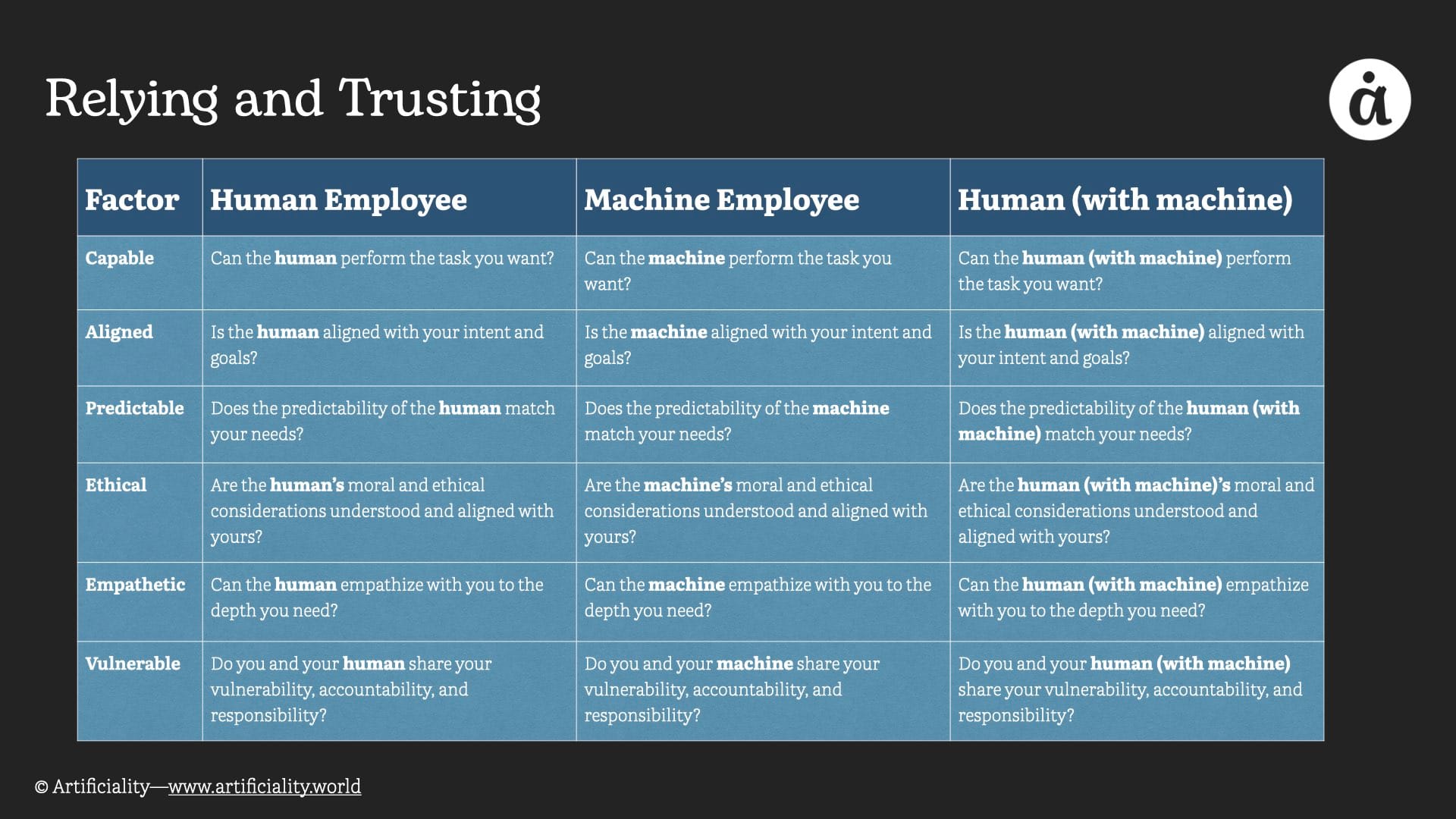
Our March update focused on our obsession with trust and AI. the premise of our interest is that in order for AI to be useful, we need to know if/when to trust it.
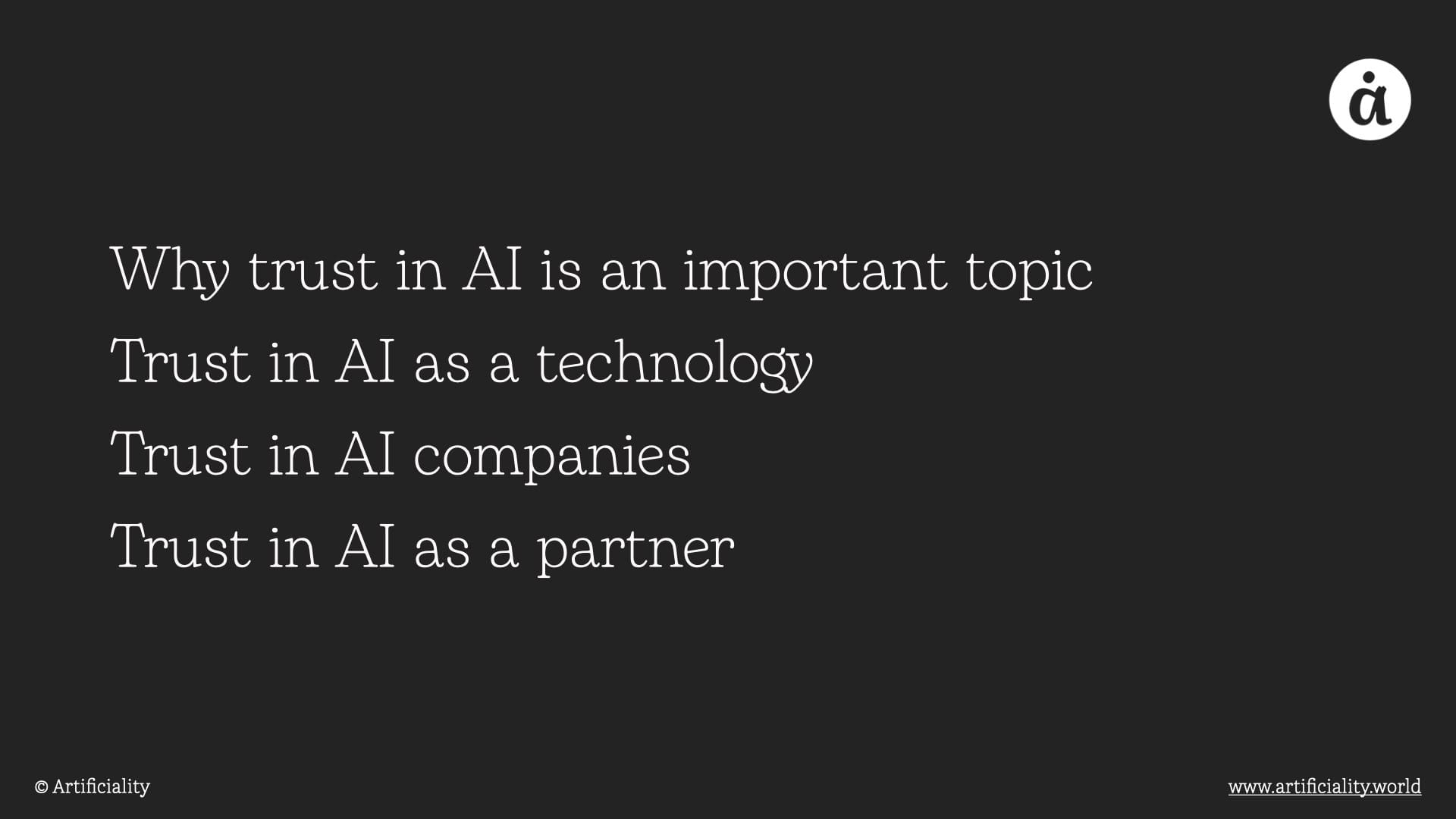
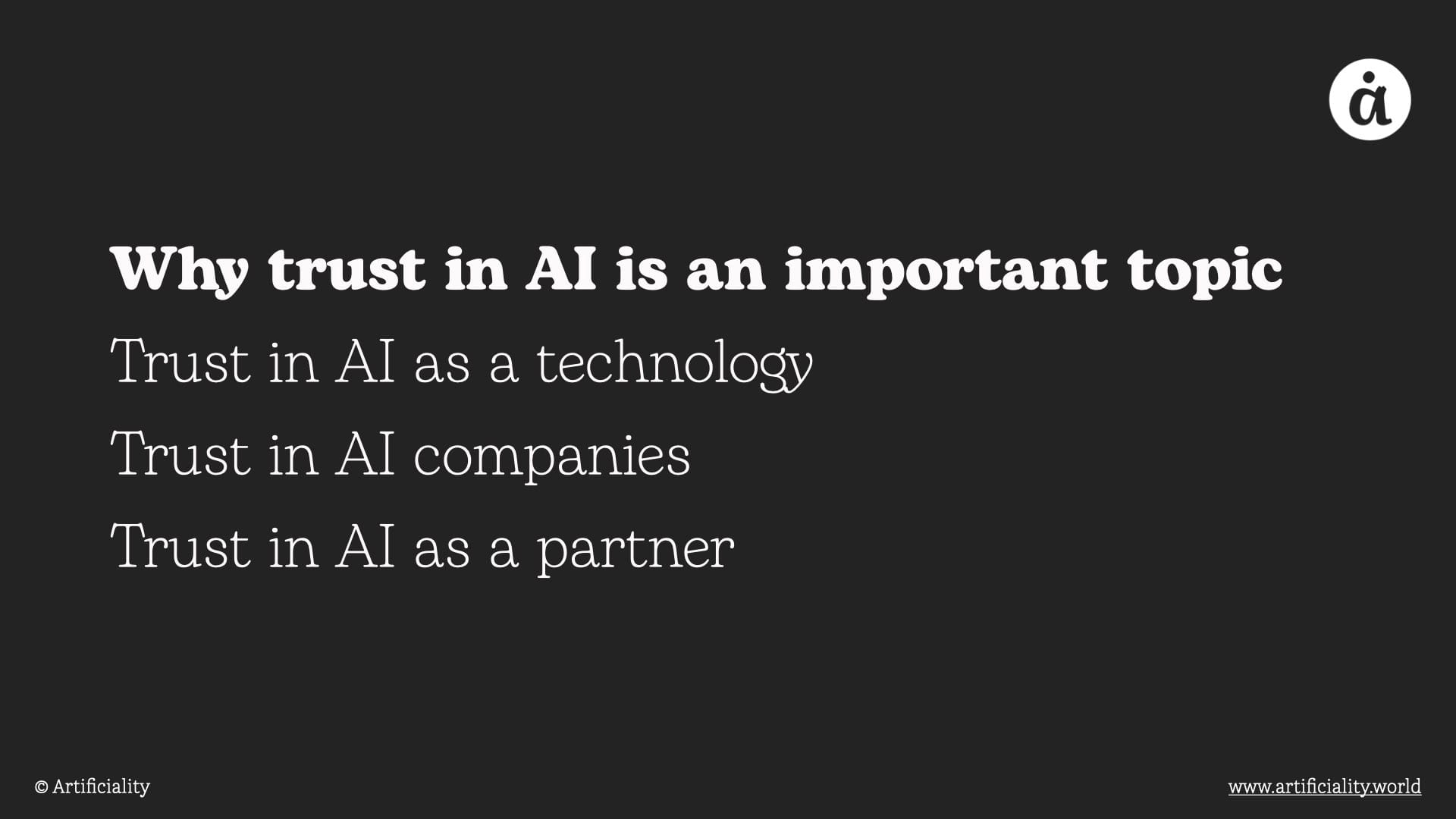
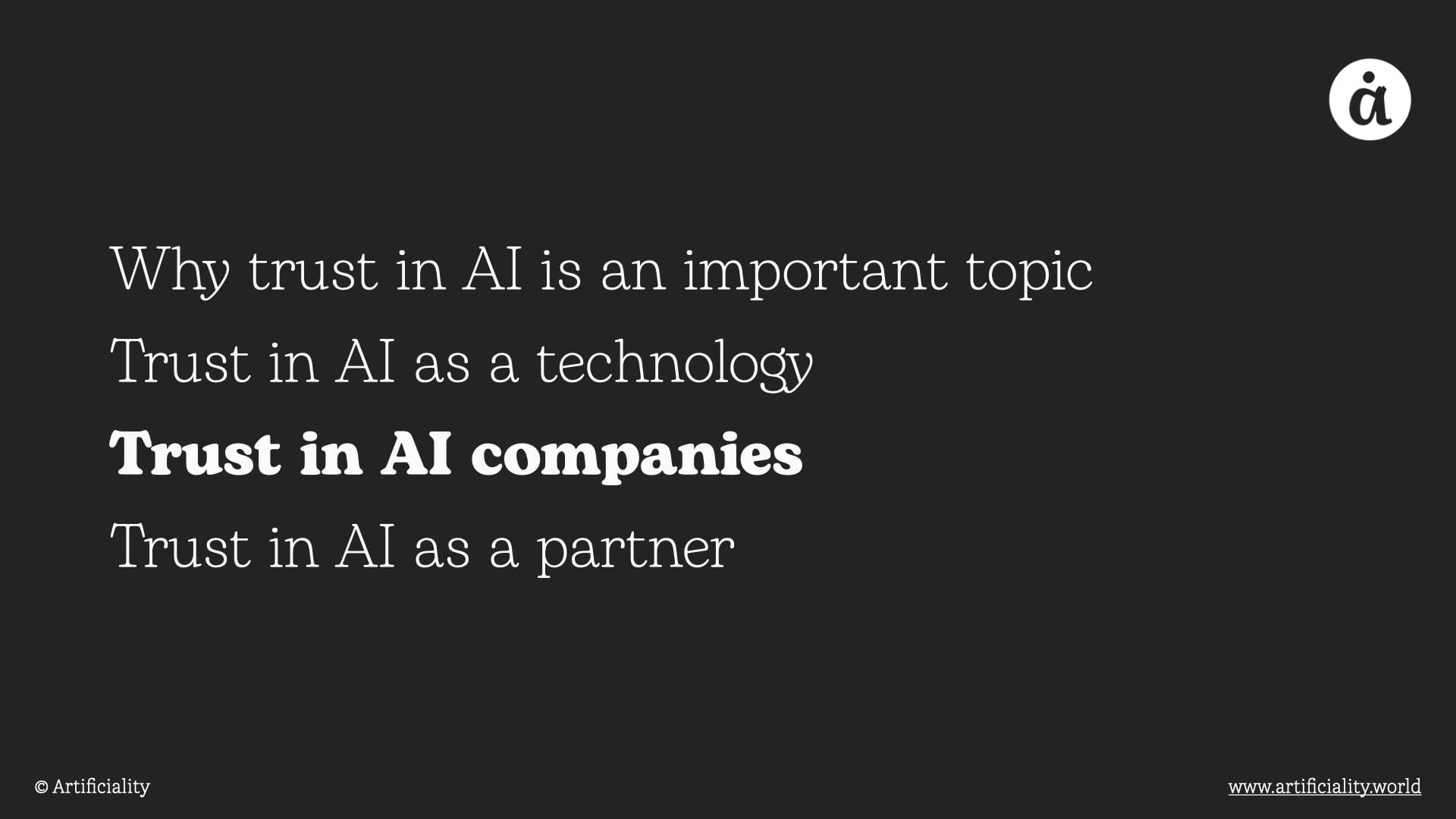
In our update, we covered four key topics:
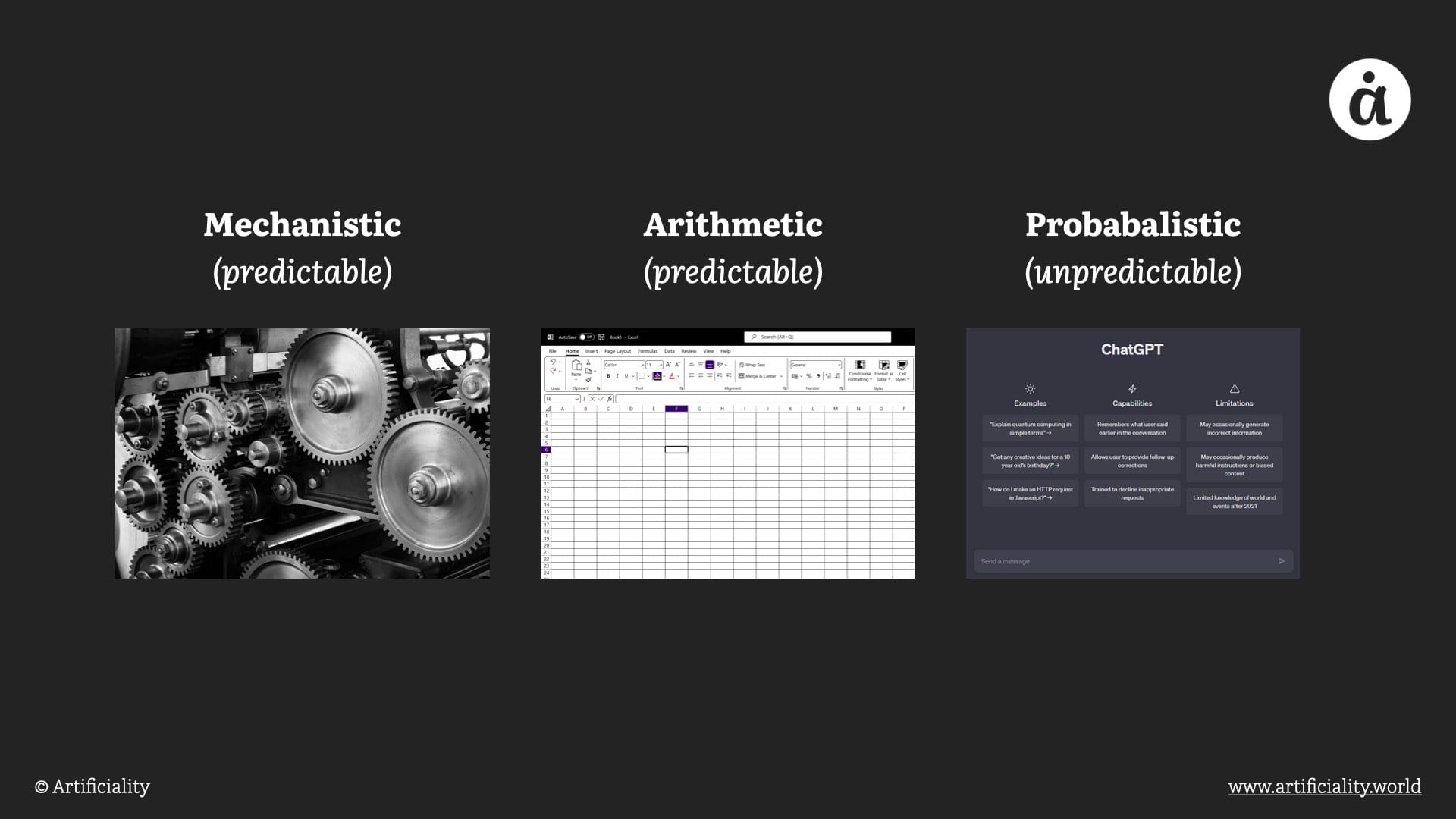
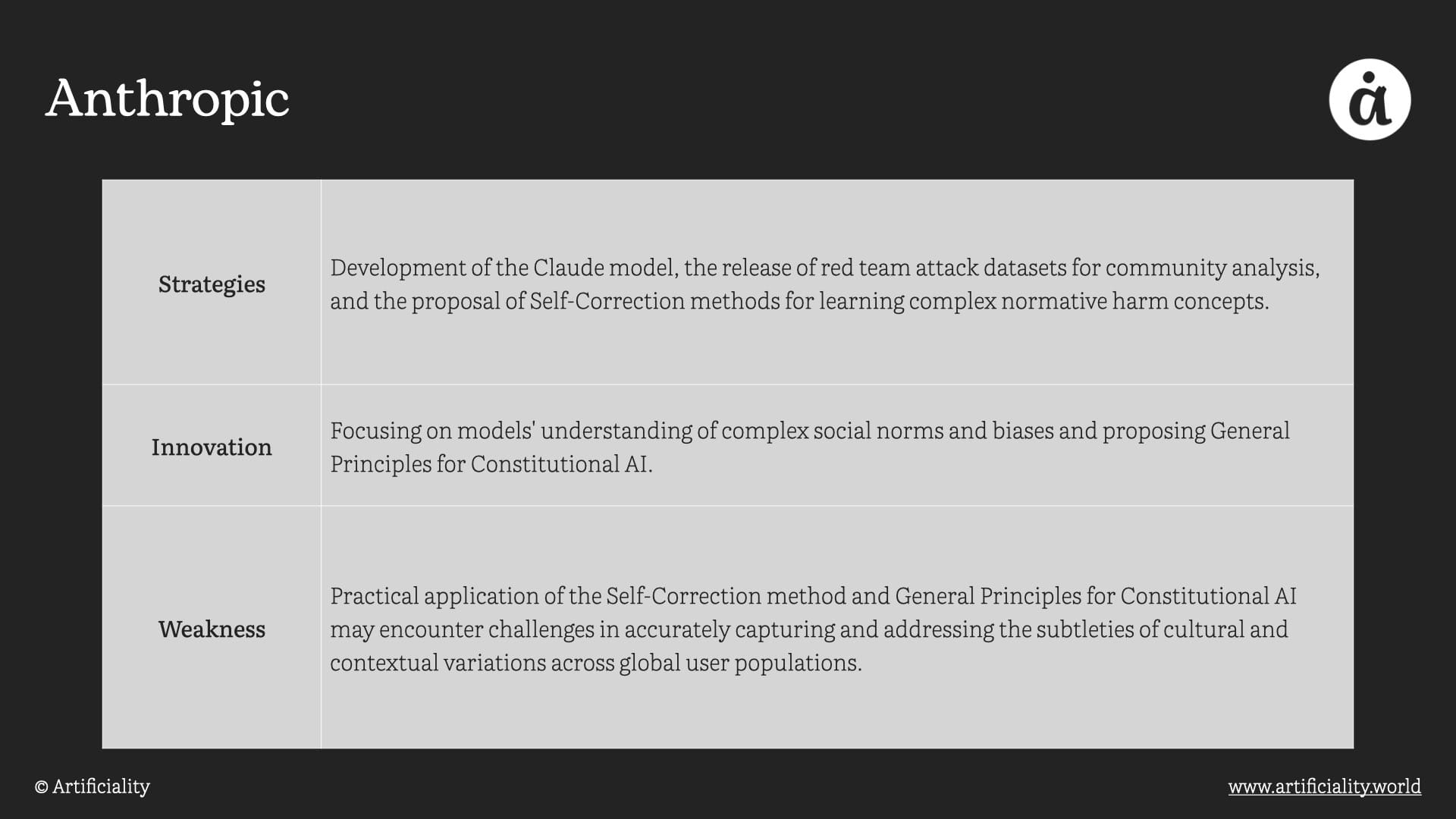
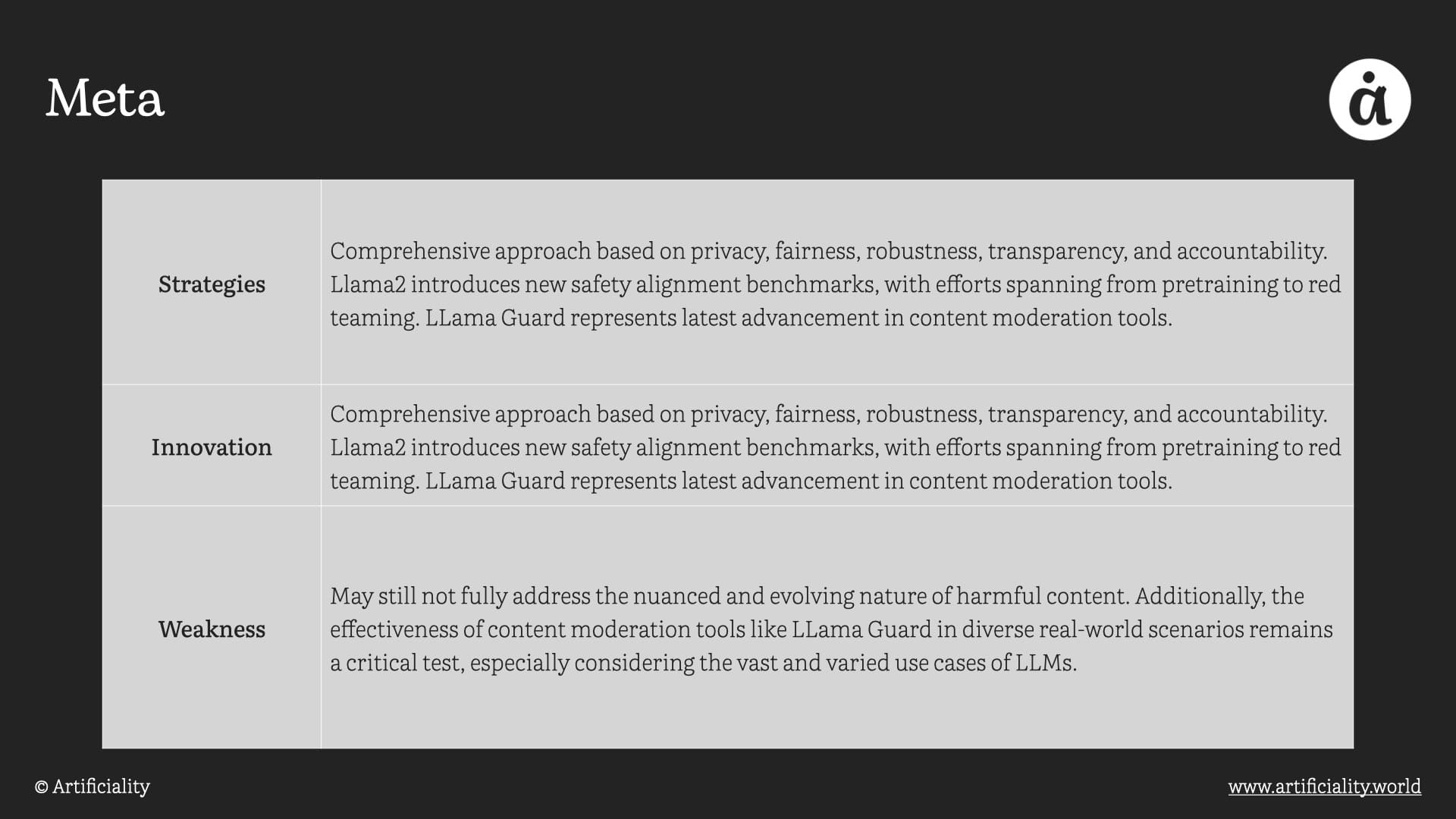
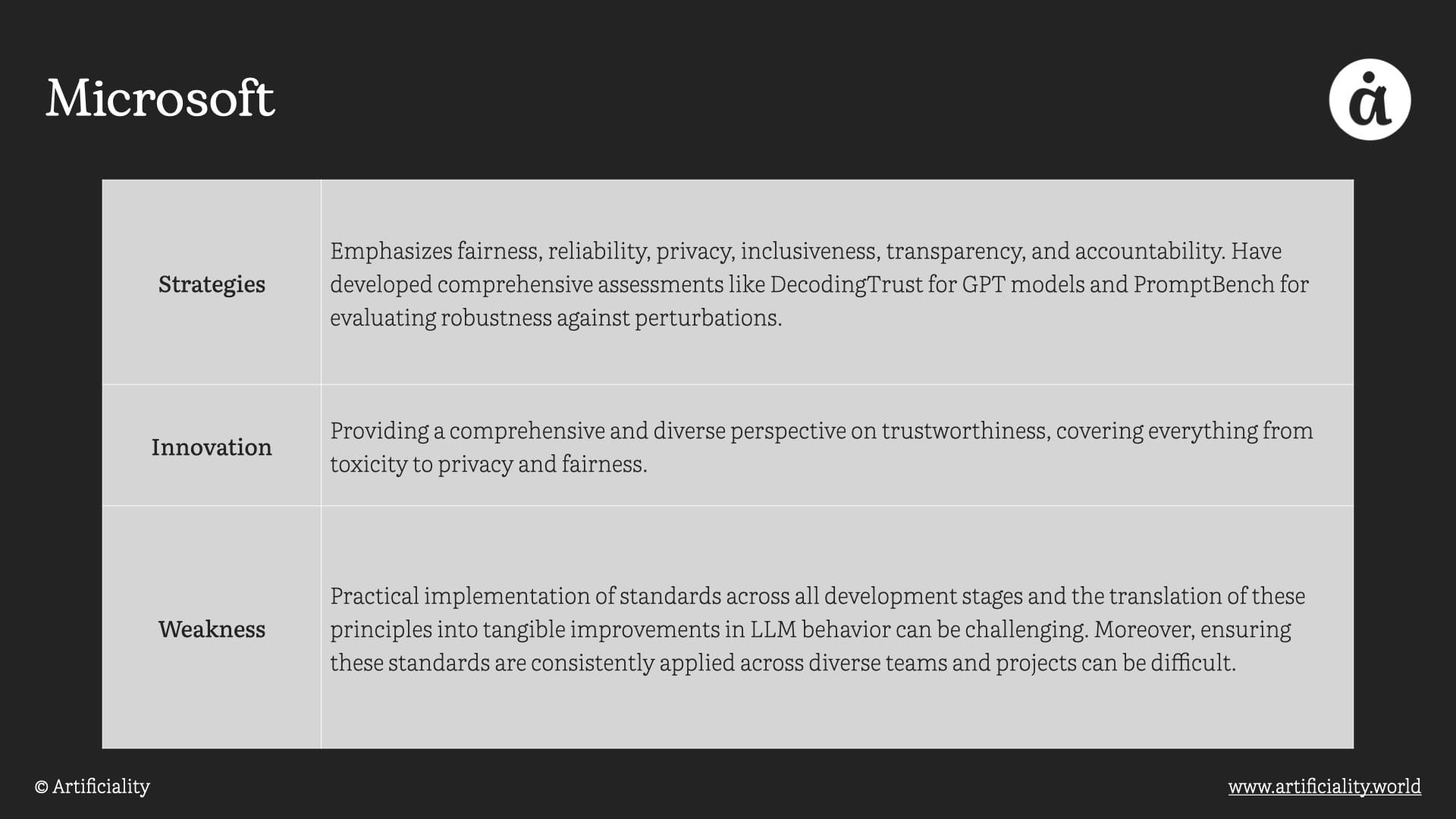
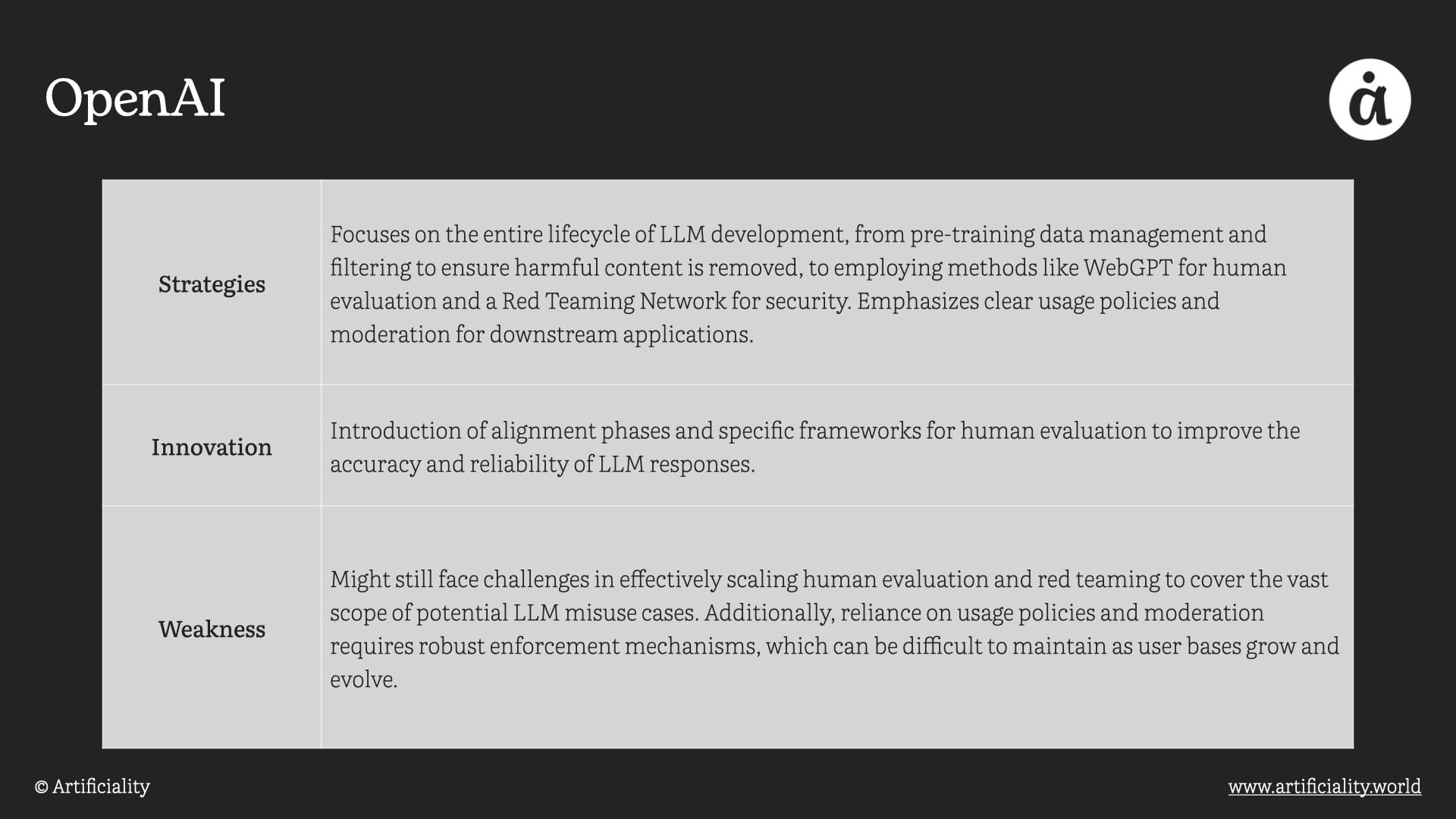


How professionals are integrating AI into their thinking— and what it means for the future of human cognition

The skills that can be taught quickly can be automated quickly. What's left is the slow work universities were built for: helping people become who they are.

The AI Adaptation Cube maps, in three dimensions, the roles we put AI in based on the three traits: Cognitive Permeability, Symbolic Plasticity, and Identity Coupling.

AI usage is too complex for any single research approach to capture completely. We summarize and compare three recent studies: Anthropic's Economic Index Report, OpenAI's How People Use ChatGPT, and the Artificiality Institute's Chronicle project.
AI is changing how you think. Get the ideas and research to keep you the author of your own mind.